Get Fence Sealing
Fence sealing services offered by local contractors protect fences from weather damage, prevent rot and decay, and extend the lifespan of wood, vinyl, or metal fences.
Property owners considering fence sealing services often seek practical benefits such as enhancing the durability and appearance of their fences, protecting against weather-related wear, and maintaining property value. Whether planning a new installation or looking to preserve an existing fence, exploring local contractors who specialize in fence sealing can help ensure the work is done effectively and efficiently. This page provides a resource for comparing options and connecting with qualified service providers in the area, making it easier to find the right match for your project.
By reviewing local fence sealing service providers, property owners can assess the available expertise and experience to meet their specific needs. Taking the time to explore different options allows for informed decisions when planning fencing projects, ensuring that the work aligns with long-term property maintenance goals. Keep reading to discover how local contractors can assist in safeguarding and enhancing your fence.
- Residential Fence Owners - may need fence sealing services to protect their property from weather damage and prolong the fence’s lifespan.
- Property Managers - might seek sealing solutions to maintain the appearance and durability of fences across multiple properties.
- New Fence Installations - often require sealing after installation to ensure the fence is protected from moisture and environmental elements.
- Fence Repair Clients - may look for sealing services to restore and safeguard fences that have been previously damaged or weathered.
- Commercial Property Owners - could need professional sealing to preserve the integrity of fences surrounding business premises.

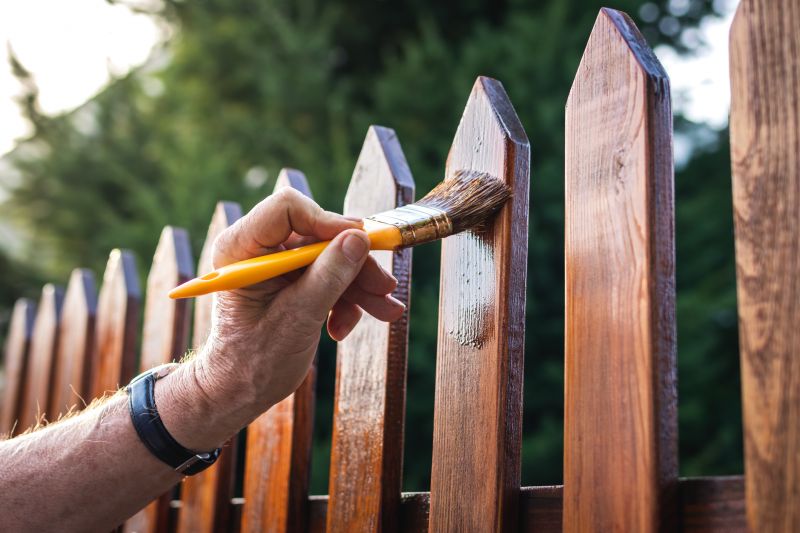
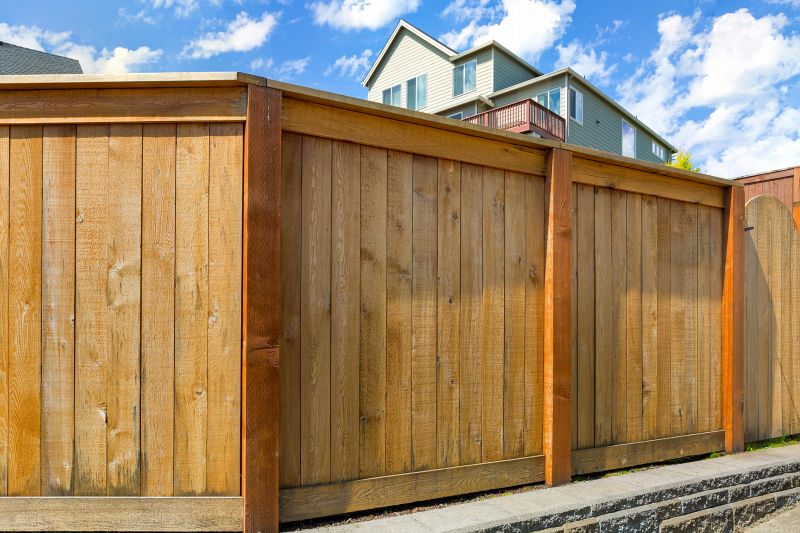
Fence sealing services involve applying a protective coating to the surface of a fence to shield it from the elements and daily wear. This process typically includes cleaning the fence to remove dirt, mold, or old paint, followed by applying a sealant designed to penetrate the wood, vinyl, or composite material. The goal is to create a barrier that helps prevent moisture from seeping into the material, which can lead to swelling, warping, or rotting over time. Proper sealing can extend the lifespan of a fence, keeping it looking fresh and well-maintained for years to come.
One of the primary problems fence sealing helps address is water damage. Without a protective layer, rain and humidity can cause wood fences to absorb moisture, resulting in swelling, splitting, or rotting. Additionally, sealants can help prevent damage caused by UV rays, which can fade and weaken fencing materials over time. For homeowners dealing with mold, mildew, or staining on their fences, sealing offers a way to restore appearance and protect against future growth. It also provides a barrier against pests that may be attracted to unprotected wood, helping to reduce the risk of infestations.
Fence sealing is commonly used on residential properties, including yards, gardens, and driveways, where fences serve as boundaries and decorative elements. It is also popular for commercial properties that want to maintain a professional appearance while protecting their fencing investments. The types of fences that typically benefit from sealing include wooden picket fences, privacy panels, vinyl fencing, and composite materials. Homeowners often choose to seal fences when they notice signs of aging, such as fading color, surface cracking, or increased moisture absorption, or as part of routine maintenance to keep fences in optimal condition.
Local service providers that specialize in fence sealing can assess the specific needs of each property and recommend the appropriate sealants and application methods. They can help determine the right timing for sealing, especially after cleaning or repairs, and ensure an even, long-lasting finish. Whether for a small backyard fence or a larger commercial perimeter, professional fence sealing can be a practical step to protect fencing investments, improve curb appeal, and reduce the need for costly repairs in the future. Contacting experienced contractors can help homeowners find the right solution tailored to their property’s material and condition.
The overview below groups typical Fence Sealing projects into broad ranges so you can see how smaller, mid-sized, and larger jobs often compare in your area.
In many markets, a large share of routine jobs stays in the lower and middle ranges, while only a smaller percentage of projects moves into the highest bands when the work is more complex or site conditions are harder than average.
Smaller Repairs - Typical costs for routine fence sealing projects range from $250 to $600, covering minor repairs or sealing of existing fences. Many homeowners find their projects fall within this middle range, though prices can vary based on fence size and condition.
Full Fence Sealing - Complete sealing of an entire fence usually costs between $600 and $1,500. Larger or more complex fences may push costs higher, but most projects in this range are common for local contractors handling standard residential fences.
Large or Custom Projects - Larger, more intricate fencing projects can reach $1,500 to $3,000 or more, especially if additional prep work or specialized sealing is required. These higher tiers are less frequent but are handled by experienced service providers for extensive fencing needs.
Material and Fence Type Variations - Costs can fluctuate based on the fence material and type, with some materials requiring more extensive sealing efforts. Local pros can provide estimates tailored to the specific fencing material and scope of work involved.
Actual totals will depend on details like access to the work area, the scope of the project, and the materials selected, so use these as general starting points rather than exact figures.
Deck Staining and Sealing - local contractors often have the skills and tools to prepare and protect wooden surfaces, similar to fence sealing projects.
Garden Bed Liners and Retaining Walls - installing and sealing landscape structures requires planning and materials comparable to fence sealing work.
Outdoor Patio Waterproofing - professionals experienced in sealing surfaces can apply similar techniques to protect patios from moisture damage.
Shed and Storage Building Coating - sealing and protecting wooden exteriors of small structures involves skills akin to fence sealing services.
Garage Floor Coating - applying protective finishes to concrete surfaces shares planning and surface preparation methods with fence sealing.
Playground Surface Treatments - installing and sealing safety surfaces requires knowledge of materials and sealing techniques similar to those used in fence sealing projects.
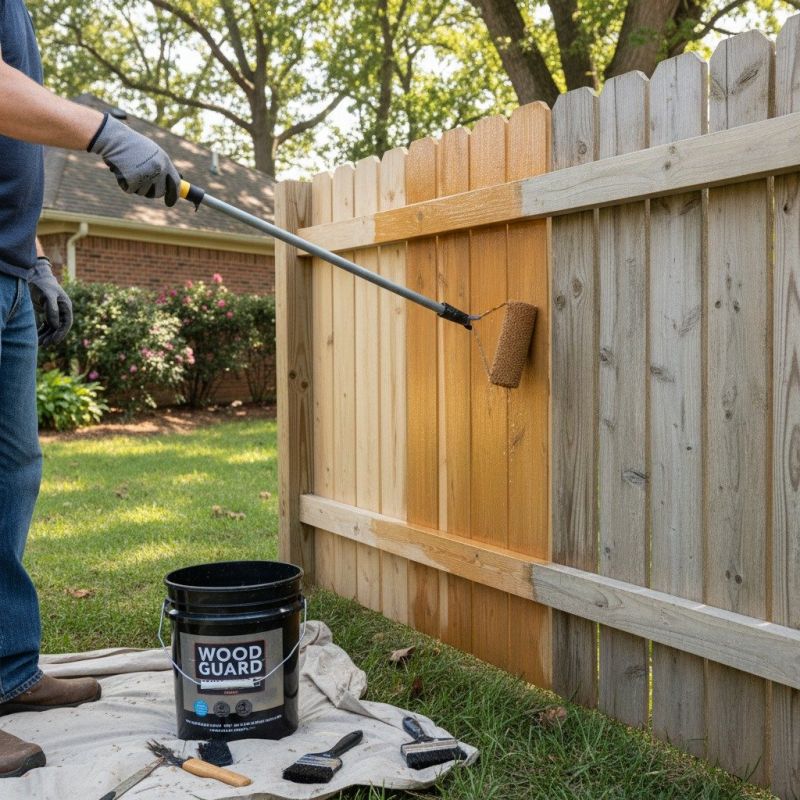
When comparing service providers for fence sealing, it’s important to consider their experience with similar projects. Homeowners should look for local contractors who have a proven track record of successfully completing fence sealing work in their area. Asking about the types of fences they’ve worked on and the materials they’re familiar with can help ensure the pros have the relevant expertise. Experienced contractors are more likely to understand the nuances of different fencing materials and can help anticipate potential challenges, leading to a smoother process and a more durable finish.
Clear, written expectations are essential when evaluating local pros for fence sealing services. Homeowners should seek providers who are willing to outline the scope of work, the materials to be used, and any necessary preparations or follow-up steps. Having these details documented helps prevent misunderstandings and ensures that everyone is aligned on what the project entails. Well-defined expectations also make it easier to compare different service providers and select the one that best matches the project’s needs.
Reputable references and good communication are key indicators of a reliable local contractor. Pros who can provide references from previous clients offer insight into their work quality and professionalism. Additionally, clear and prompt communication during the inquiry process can reveal how well a contractor understands customer needs and how responsive they are to questions. These qualities help homeowners feel more confident in their choice and facilitate a smoother, more transparent project experience. It’s important to remember that this site introduces homeowners to local options, but the actual work will be handled by the selected service providers.
Property owners use Fence Sealing services for practical projects around their homes and businesses. This guide focuses on everyday jobs and straightforward project options.
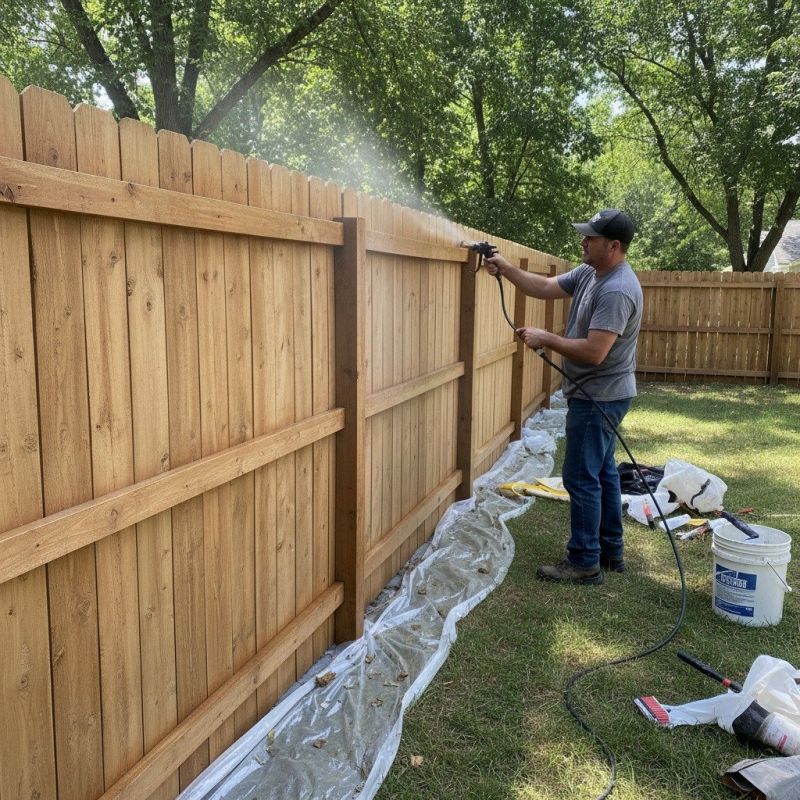
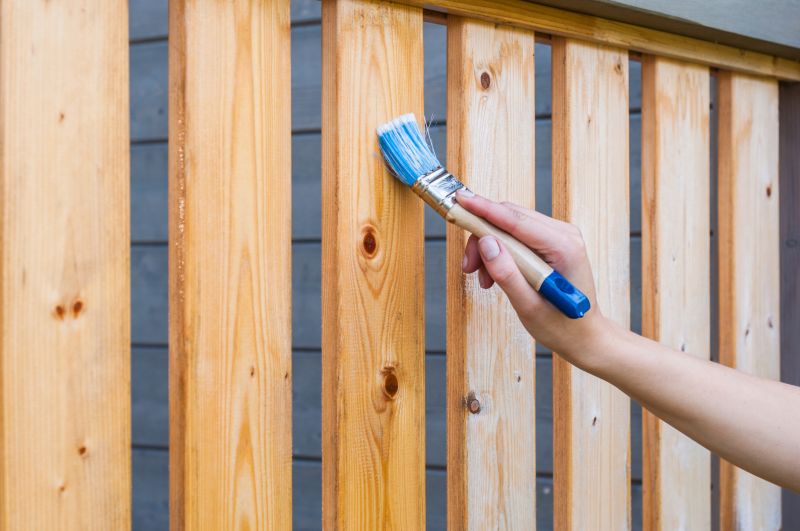
Fence sealing is a common service sought by property owners who want to protect their fences from weather damage, moisture, and wear over time. Whether a homeowner notices signs of rotting, warping, or fading, local contractors can help apply a protective sealant that extends the life of the fence and maintains its appearance. This work is often part of routine property maintenance or a response to recent storms, heavy rain, or seasonal changes that can impact wooden or other fencing materials.
Many property owners look for fence sealing services to improve curb appeal and prevent costly repairs down the line. Fences that are properly sealed are less vulnerable to moisture intrusion, which can lead to rot, mold, or structural issues. Local service providers can handle projects of various sizes, from small residential fences to larger commercial enclosures, helping property owners preserve their investment and keep their outdoor spaces looking well-maintained.
Why should I seal my fence? Sealing a fence helps protect it from moisture, UV damage, and general wear, potentially extending its lifespan and maintaining its appearance.
What types of fences can be sealed? Many common fence materials, including wood, vinyl, and composite, can benefit from sealing services offered by local contractors.
How often should I have my fence sealed? The recommended frequency varies depending on the material and local climate, but generally, sealing every 1 to 3 years helps preserve the fence.
What is involved in the fence sealing process? Local service providers typically clean the fence surface, apply a protective sealant evenly, and allow it to dry properly for optimal results.
Can sealing improve my fence’s appearance? Yes, sealing can enhance the fence’s color and finish, helping it look new and well-maintained over time.
Protect Wooden Fences - Sealing a wooden fence can help prevent moisture damage and extend its lifespan, especially in areas with frequent rain or humidity.
Preserve Vinyl or Composite Fences - Applying a sealant can help maintain the appearance and durability of vinyl or composite fencing over time.
Improve Curb Appeal - Freshly sealed fences can look cleaner and more attractive, enhancing the overall look of a property.
Prevent Pest Damage - Sealing fences can create a barrier that helps deter pests from burrowing or nesting in the wood.
If you are thinking about Fence Sealing for a property, this guide is meant to help you understand the work, the typical project types, and how different options might fit your plans.
When you are ready, you can use the quote form on this page to share a few details about your project. From there, local pros can review the basics and respond with options that match what you have in mind.